top of page

How photorealistic architectural renderings help sell properties before construction begins

The traditional answer to this challenge was blueprints, scale models, and hand-drawn impressions. The modern answer is photorealistic architectural renderings — and the difference in outcomes is measurable. This guide explains how pre-sale visualization works, what types of renders are most effective at different stages of a project, and what the commercial evidence says about its impact on speed to close.


The core problem: buyers don't buy what they can't see

When a potential buyer reviews a blueprint, they're not seeing a home — they're seeing a technical document. They may understand that the numbers represent square footage, but they can't feel the ceiling height, can't sense how morning light will enter the kitchen, and can't emotionally connect to a floor plan grid.

That emotional gap is where purchases stall. Objections accumulate not because buyers are indecisive, but because they lack the visual information needed to make a confident decision. Uncertainty creates hesitation, and hesitation kills deals.

Photorealistic pre-sale renderings solve this directly. They replace the imagination gap with a concrete, detailed preview of the finished space — one that communicates quality, scale, atmosphere, and lifestyle in a single image.


What photorealistic architectural renderings actually do for your sales process

1. They compress the decision timeline

Industry data consistently shows that developments with comprehensive visualization packages achieve 40–50% pre-sales before groundbreaking, while projects without visual assets rarely exceed 15–20%. The reason is straightforward: when buyers can see and emotionally connect to a space, they don't need to wait for construction milestones to feel confident.

A luxury condominium development in New York used photorealistic renderings throughout its pre-sale marketing campaign and sold over 80% of units before construction was completed. The renders didn't just attract buyers — they accelerated commitment.


2. They justify premium pricing

Properties marketed with professional 3D visualization consistently achieve a price premium compared to those presented only with 2D drawings. When a buyer can see the quality of finishes, the spatial flow, and the lighting atmosphere, they can evaluate what they're actually getting — and they're willing to pay for it.

A flat floor plan forces buyers to fill the gaps with their worst assumptions. A photorealistic render fills those gaps with your best vision of the project.


3. They expand the buyer pool

International buyers and remote investors cannot physically visit a pre-construction site. Neither can time-constrained professionals who rely on digital research before scheduling any in-person engagement. High-quality renders enable both groups to enter your sales funnel — and research shows that 72% of buyers now rely on virtual tours and visual content during their property search.


4. They reduce objections before they arise

Questions about ceiling height, natural light, room proportions, and material quality are common sources of sales resistance. A well-produced render can answer all of these before a sales conversation even begins — reducing the time your team spends on back-and-forth and increasing the quality of conversations that do happen.


Which types of renders work best in pre-sales

Not all visualization assets serve the same function. The most effective pre-sale campaigns typically combine several types, deployed at different stages of the buyer journey.


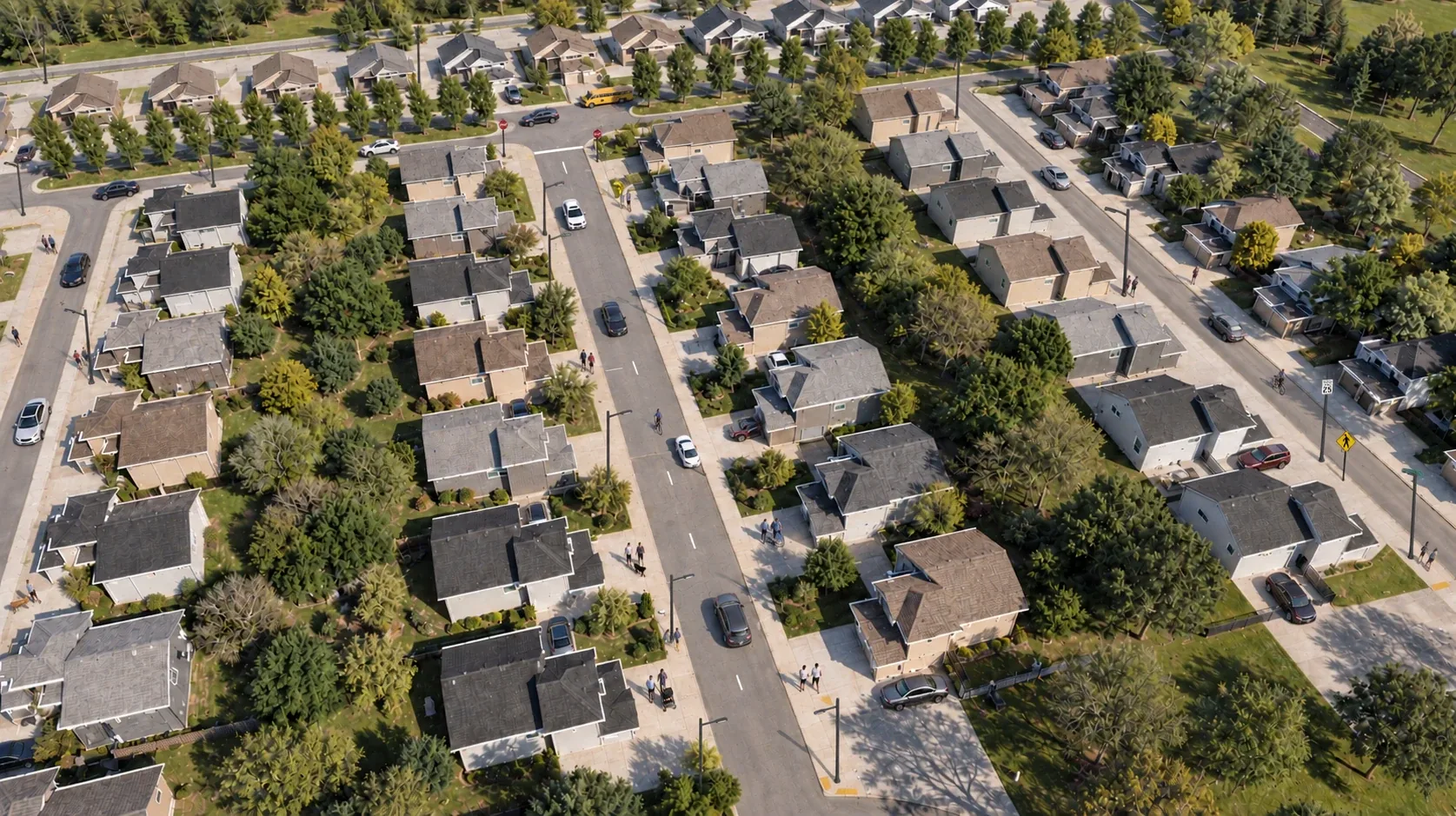
Exterior renderings: The first impression. A street-level or aerial view of the finished building sets the tone for everything that follows. These are the assets that work in advertising, billboards, social media campaigns, and launch brochures.


Interior renderings: The emotional closer. Living rooms, kitchens, master bedrooms, and amenity spaces — rendered with furniture, lighting, and material detail — create the emotional connection that drives purchase decisions. This is where buyers see their future life in the space.


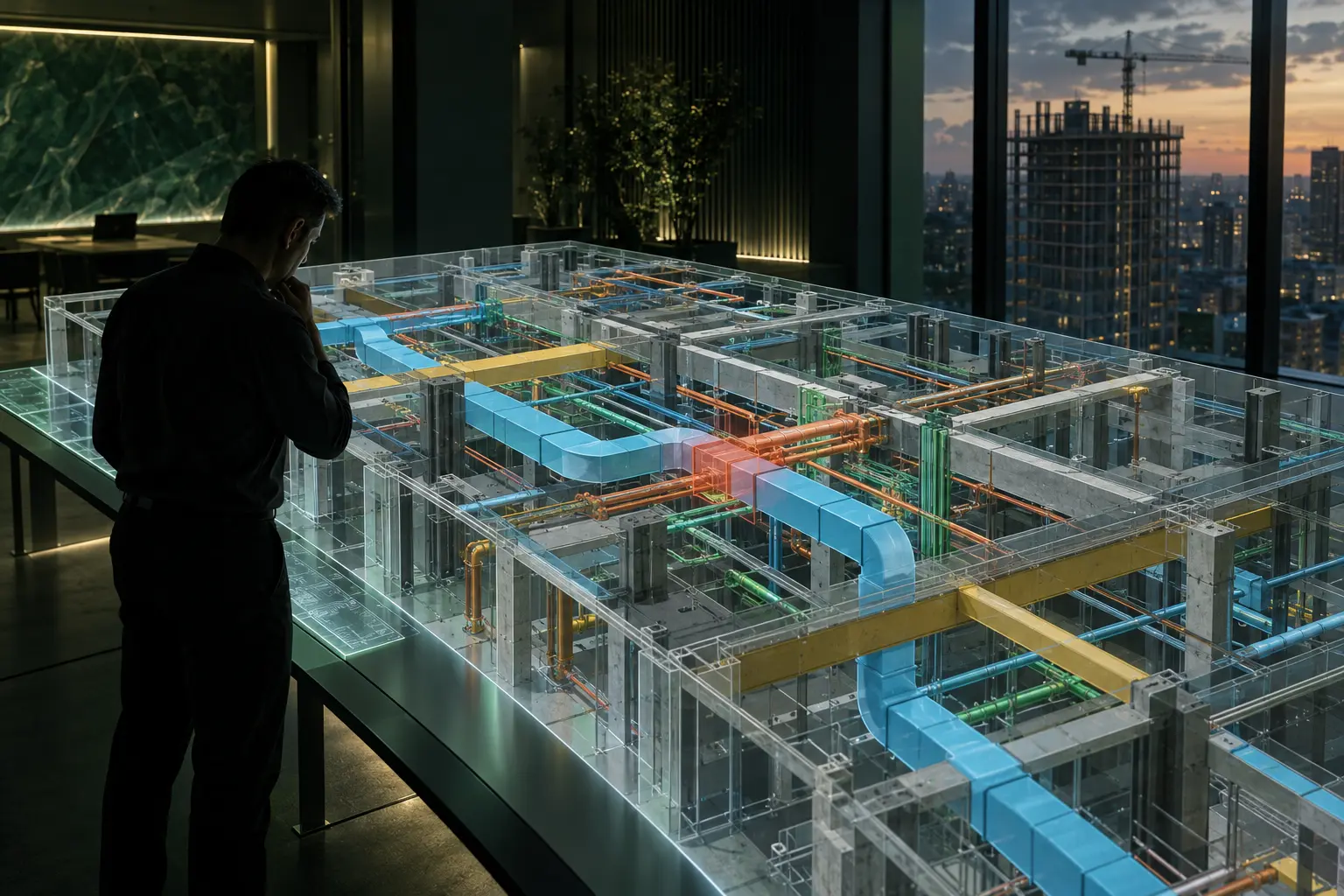
3D floor plans: The logic layer. After the emotion comes the analysis. Three-dimensional floor plans help buyers understand spatial relationships, traffic flow, and room proportions in a way that 2D plans cannot.


360° virtual tours: The immersive experience. When a buyer can navigate through a space from any angle, on any device, the gap between imagination and reality shrinks dramatically. These are particularly effective for international buyers and high-ticket properties where the purchase requires maximum confidence.


When to commission pre-sale renderings

The most effective visualization campaigns are launched before construction begins — in some cases, before permits are approved. Timing matters because the goal is to build a waitlist, generate early registrations, and create demand that gives your sales team momentum on launch day.

A strategic timeline typically looks like this:

  • Design development stage: Commission exterior and aerial renderings for investor presentations and planning submissions.

  • Pre-launch (6–12 months before sales open): Release the full exterior visualization package publicly to generate registration interest.

  • Sales launch: Deploy interior renderings, 3D floor plans, and walkthrough video simultaneously with the sales gallery opening.

  • Sales period: Maintain campaign momentum with additional angles, dusk variations, and amenity renderings.


The ROI perspective: what does this investment actually return?

Professional architectural renderings for a pre-sales campaign typically represent a fraction of one percent of total project revenue. The return, however, is measured in percentage points of pre-sales velocity and price premium.

Consider the math: on a 50-unit development with an average unit price of $600,000, a 10% increase in pre-sales velocity or a 3% price premium produces returns that are multiples of the visualization investment. The risk of not having high-quality visual assets is not just slower sales — it's leaving revenue on the table in a market where buyers have high visual expectations.


FAQ: pre-sale renderings

At what stage of a project should I invest in renderings?

The earlier, the better. Many developers commission renderings during design development, before construction documentation is complete. Early renders can be updated as the design evolves — and starting early means you have assets ready for investor presentations and pre-launch marketing.


Do buyers actually trust renderings, or do they assume the final product will look different?

Trust in visualizations has grown significantly as rendering quality has improved. Today's photorealistic CGI is often indistinguishable from photography. The key is ensuring that the renderings accurately represent the finished product — overpromising through visuals and underdelivering through construction is the real risk, not the renders themselves.


Which types of renders generate the most leads in a pre-sale campaign?

Exterior renderings typically drive the most top-of-funnel engagement because they work in advertising and social media. Interior renderings drive conversion — they're what moves a registered prospect toward a purchase decision. For high-ticket properties, virtual tours have shown the strongest impact on qualified lead generation.


Can pre-sale renderings be updated if the design changes?

Yes. A professional visualization studio can update renders to reflect design revisions. For this reason, it's important to maintain a close relationship with your studio throughout the project lifecycle and communicate changes early to avoid significant rework costs.


Comments


© 2026 CR Vizualtech Studio

bottom of page