top of page


Why real estate developers use architectural visualization before breaking ground
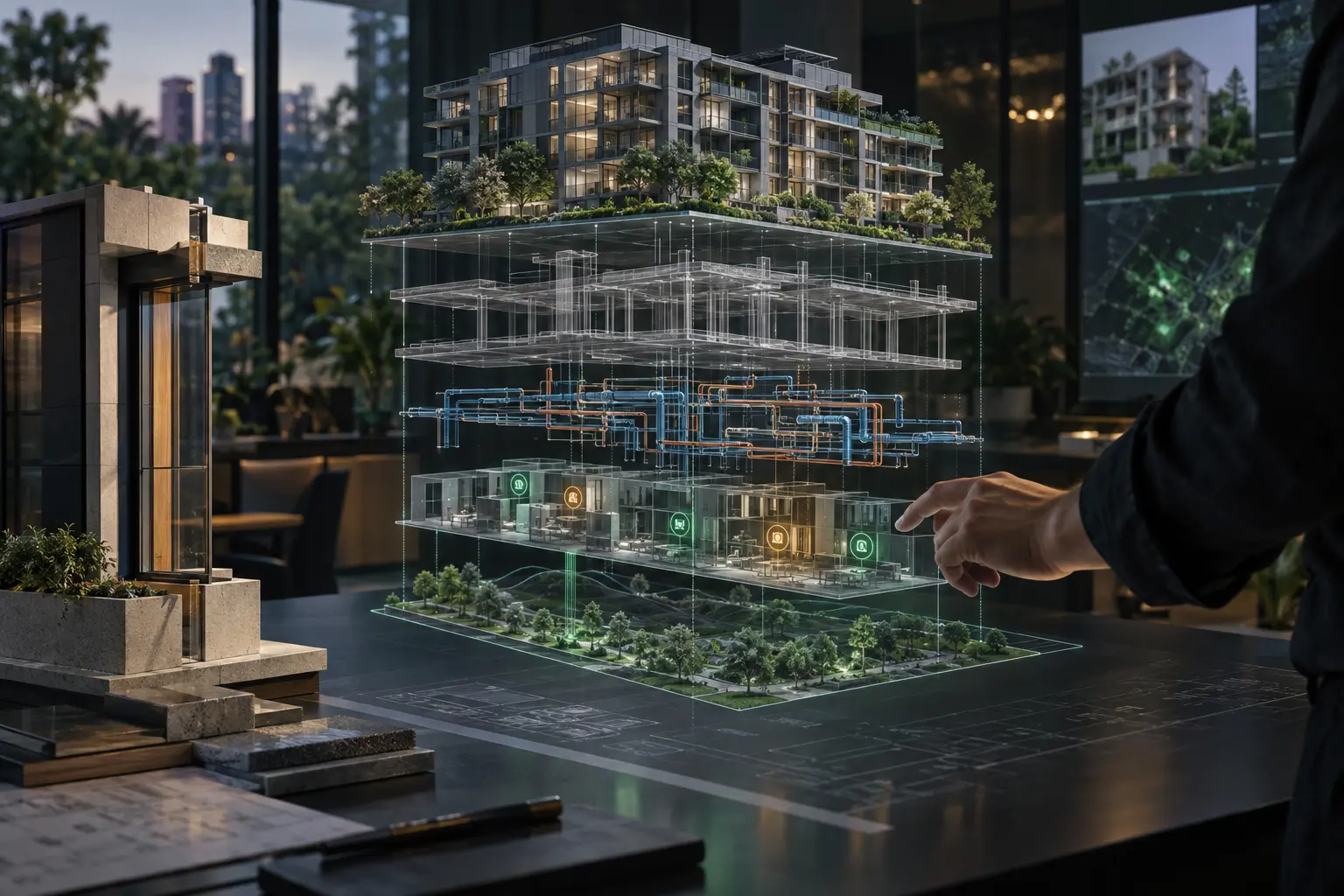
Every pre-construction project has the same problem: there's nothing to sell yet. There's no finished unit to walk a buyer through, no lobby to photograph, no view to point at. Floor plans and technical drawings work fine for a contractor or a city office, but they don't help a buyer decide where to put a deposit, or an investor decide if the project is worth the risk. That gap between "approved on paper" and "sold" is where a lot of projects lose time — permits move slowly w
Maria Pineda
Aug 193 min read


Why coordination errors cost more after groundbreaking than before
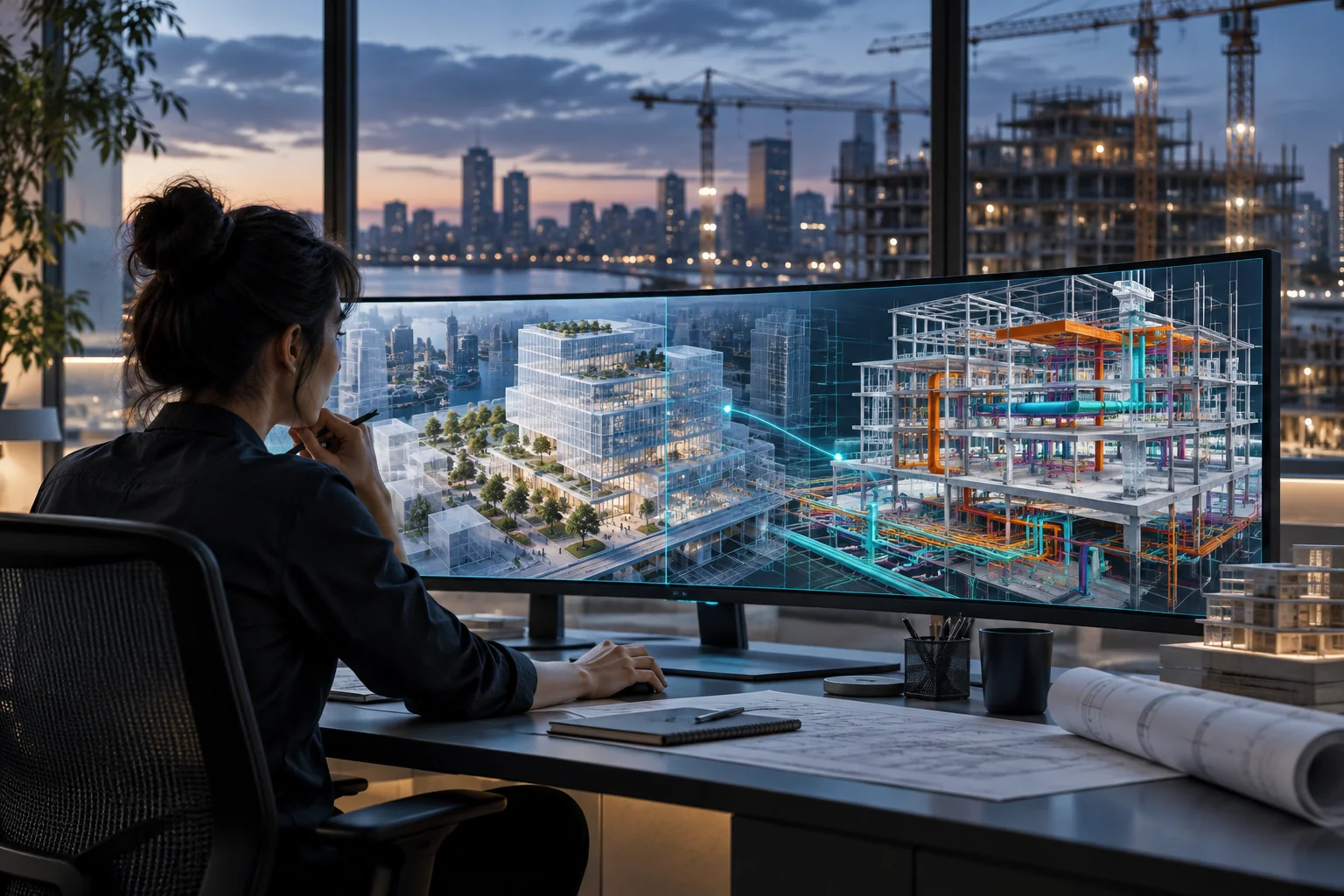
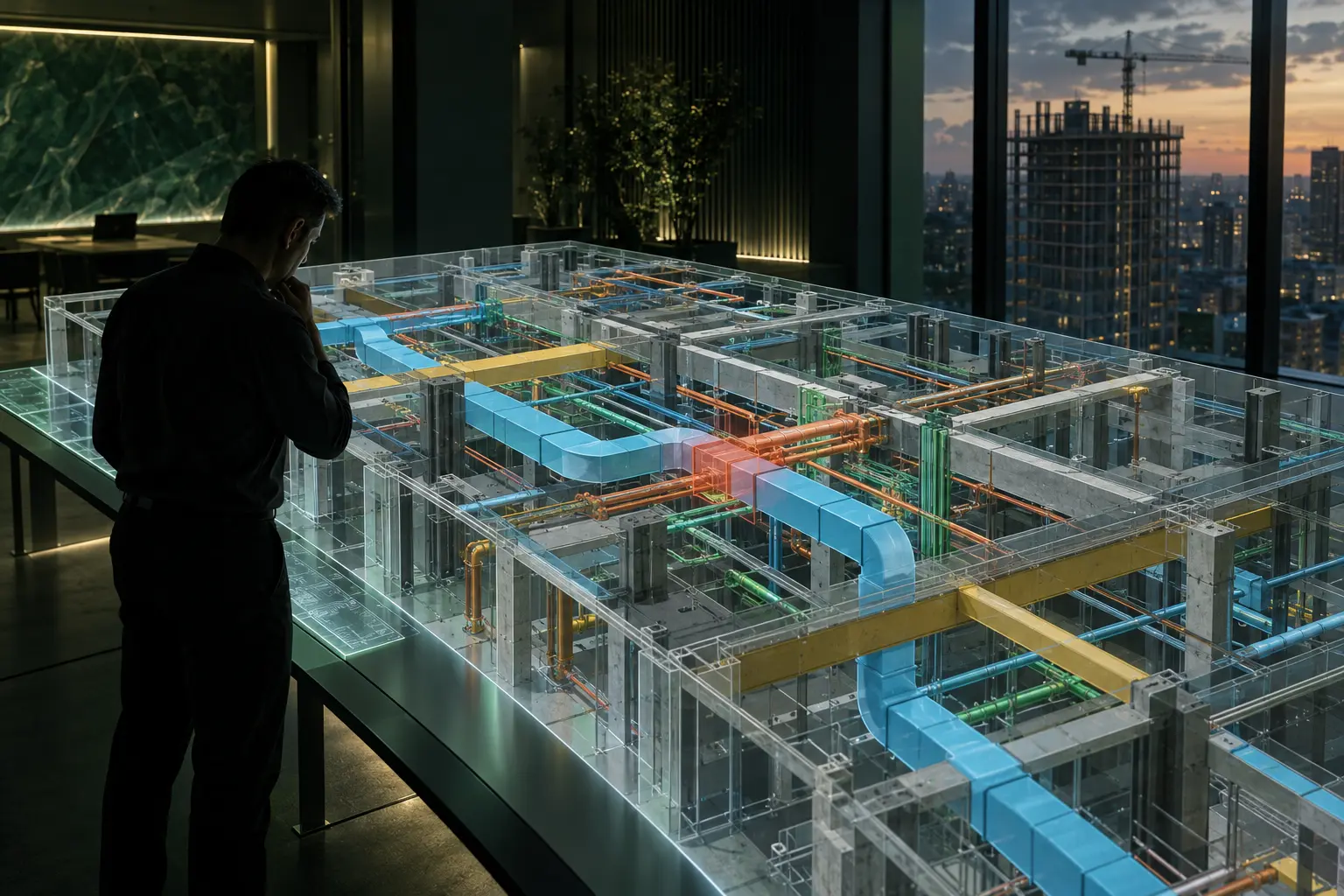
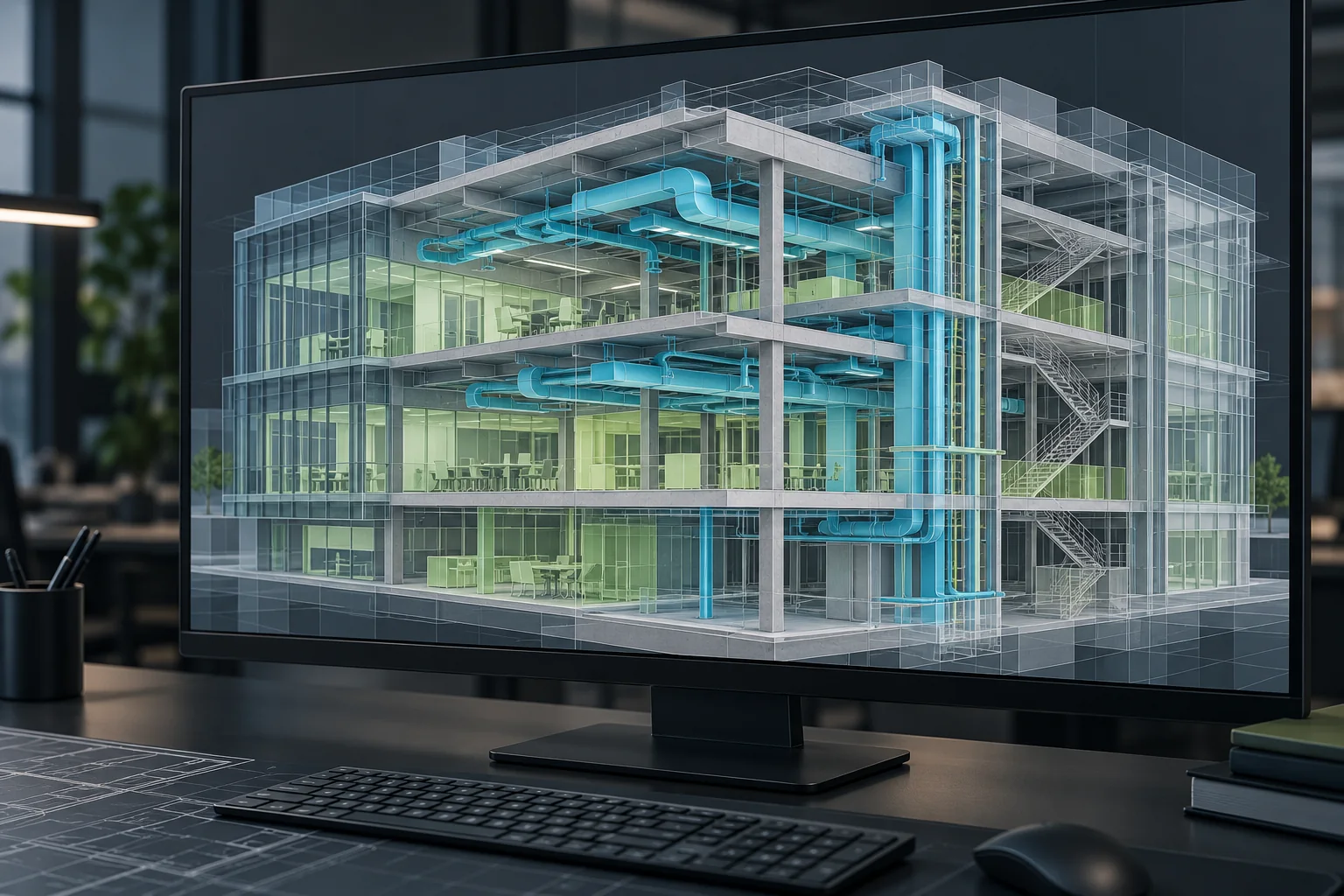
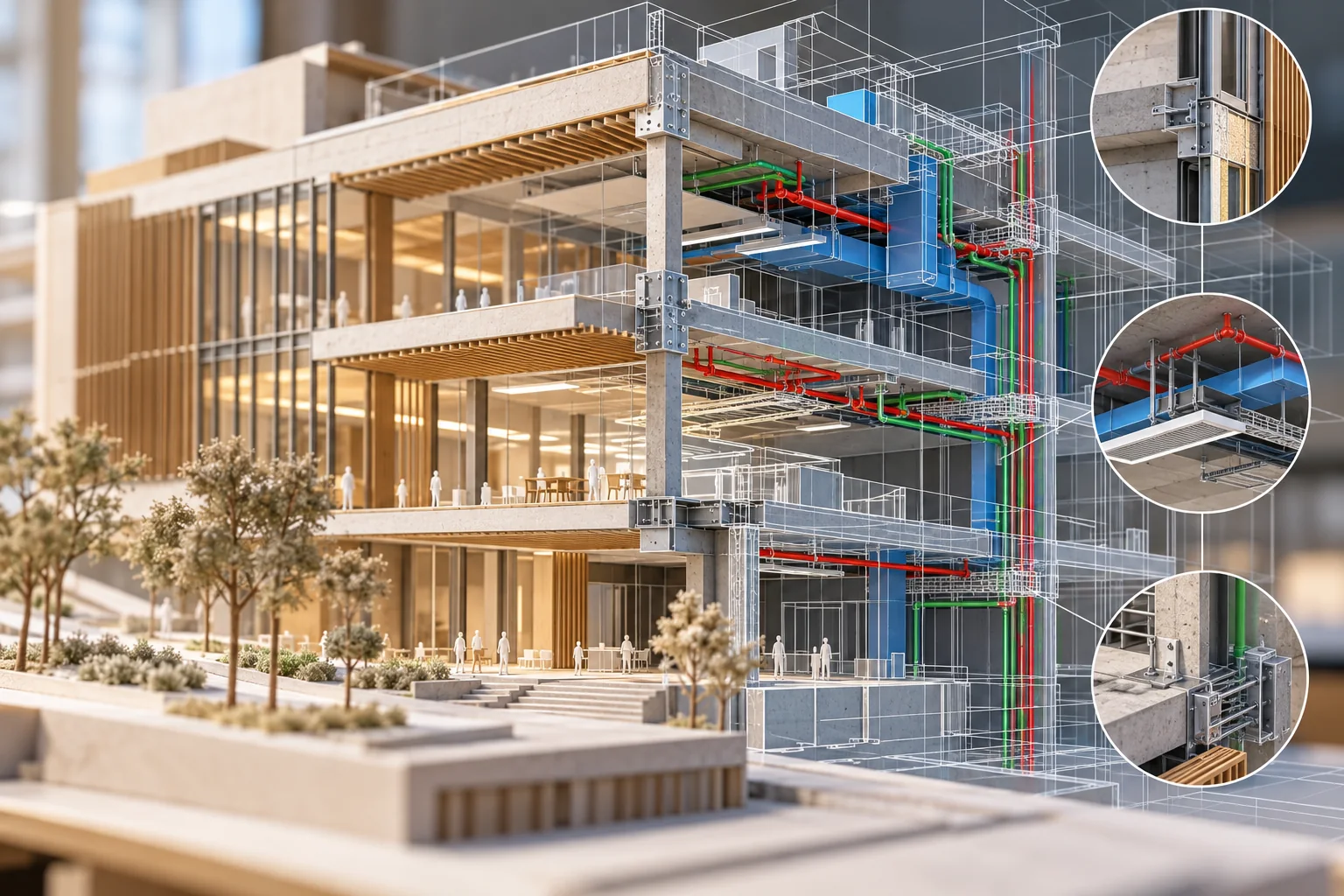
A structural beam runs straight through a mechanical duct. Nobody catches it until the crew is already on site, ductwork half-installed, contractor waiting on a decision. Now it's a change order, a schedule slip, and a call to the client explaining why the budget moved. This happens more often than most developers want to admit. Not because teams are careless — because architectural, structural, and MEP drawings are usually built separately and reconciled late, if at all. By
Maria Pineda
Aug 42 min read


The benefits of VR architectural visualization for developers and buyers
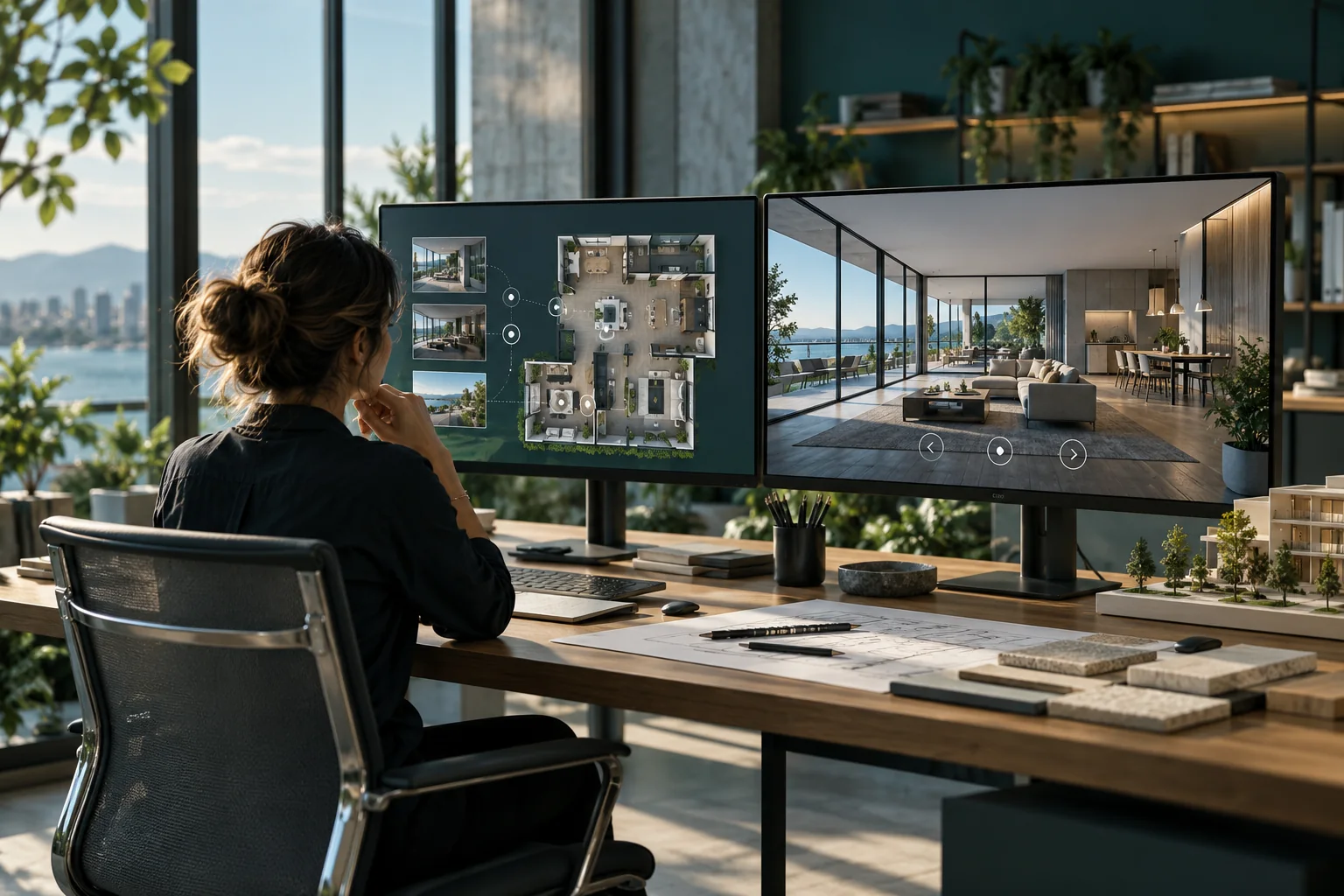
Focus keyword VR architectural visualization Meta description VR walkthroughs let buyers evaluate a pre-construction unit before it exists, cutting the gap between listing and reservation. See how developers use it in sales. Suggested slug /blog/benefits-vr-architectural-visualization-developers-buyers Image / alt text Header image alt: "VR headset walkthrough of a photorealistic pre-construction interior" Internal link opportunity Link to the VR & 3D Animations service page
Maria Pineda
Jul 243 min read


How to hire BIM modeling experts in Fort Lauderdale
There's a moment in almost every Fort Lauderdale project where a developer looks at a BIM line item on a proposal and realizes nobody has actually explained what it buys them. The GC is asking about clash reports. The subcontractors want coordinated drawings. And the real question on the table isn't “who do we hire” — it's whether this needs to happen locally at all, or whether the modeling itself can live somewhere else while someone local keeps it honest. It's a fair questi
Maria Pineda
Jul 202 min read


The real truth about AI in architectural visualization: what it can and can't replace
Every developer comparing rendering studios right now is typing some version of the same question into Google: will AI replace this entire industry? The honest answer isn't binary. AI has changed how concepts get explored — it hasn't changed who is accountable when a render has to hold up to a lender, a planning board, or a buyer deciding whether to put down a deposit. The clearest way to think about it: AI is the new pencil, not the new architect. It compresses the time betw
Maria Pineda
Jun 303 min read


Real Estate Marketing Renders: the Complete Guide for Developers and Agents
Buyers don't buy what they can't see. In a market where attention is short and competition is relentless, the quality of your visuals is often the deciding factor between a lead clicking through — or scrolling past. Renders aren't decoration — they're a sales tool Real estate marketing renders are photorealistic images produced from 3D models — before construction is complete, or as an idealized version of an existing space. Unlike photography, renders give you full creative
Maria Pineda
Jun 52 min read


Interior Design Visualization: How 3D Renders Help Designers Present Better and Win More Projects
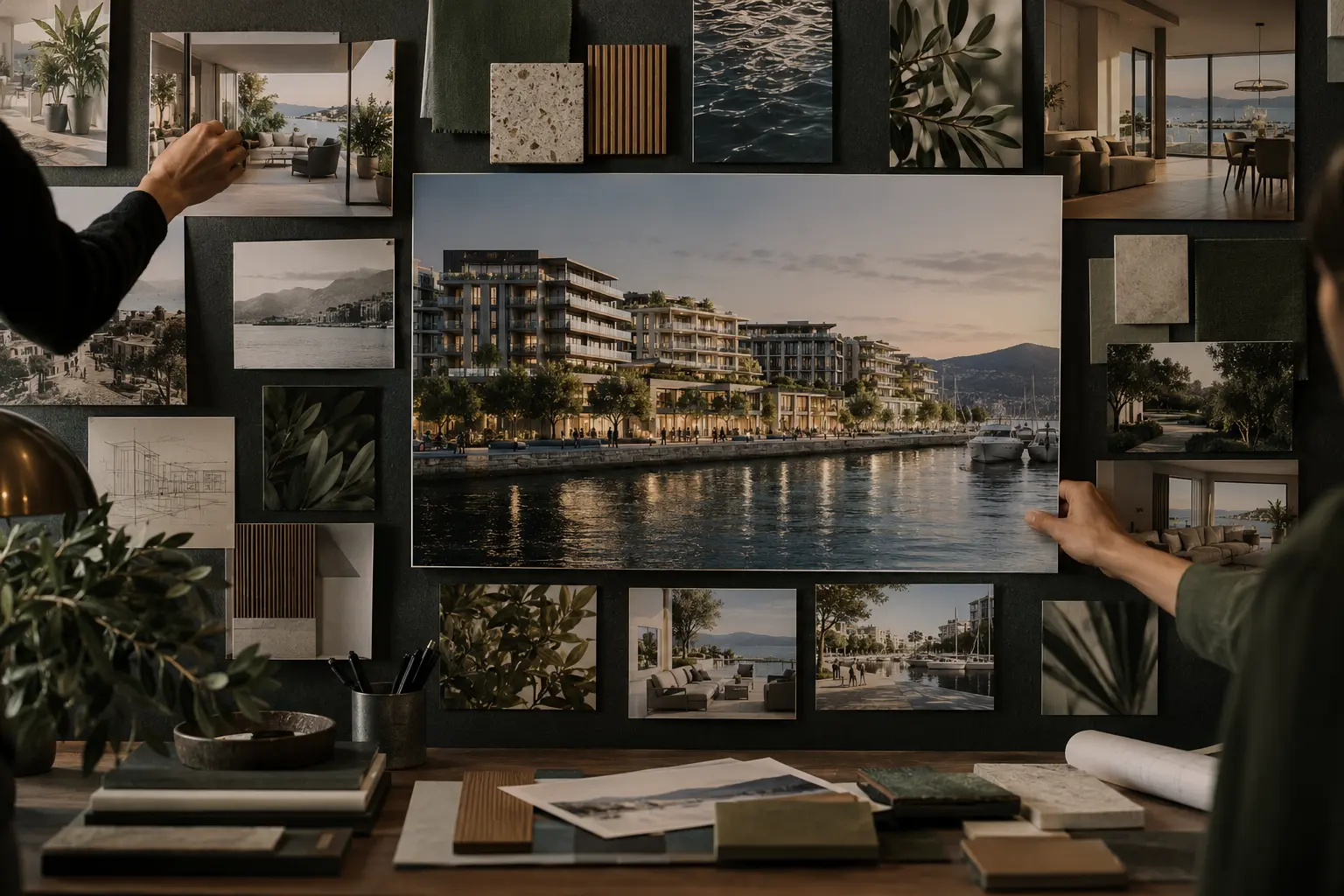
The gap between what a designer envisions and what a client can picture is where projects stall, budgets get cut, and revision cycles multiply. 3D visualization closes that gap — and changes the commercial outcome of every project it touches. Clients don't buy what they can't picture Most clients have strong opinions about what they want but limited ability to translate mood boards or floor plans into an accurate mental image of their actual space. The result: they approve de
Maria Pineda
Jun 42 min read


3D Architectural Rendering vs. Traditional Drawings: What Actually Closes Deals?
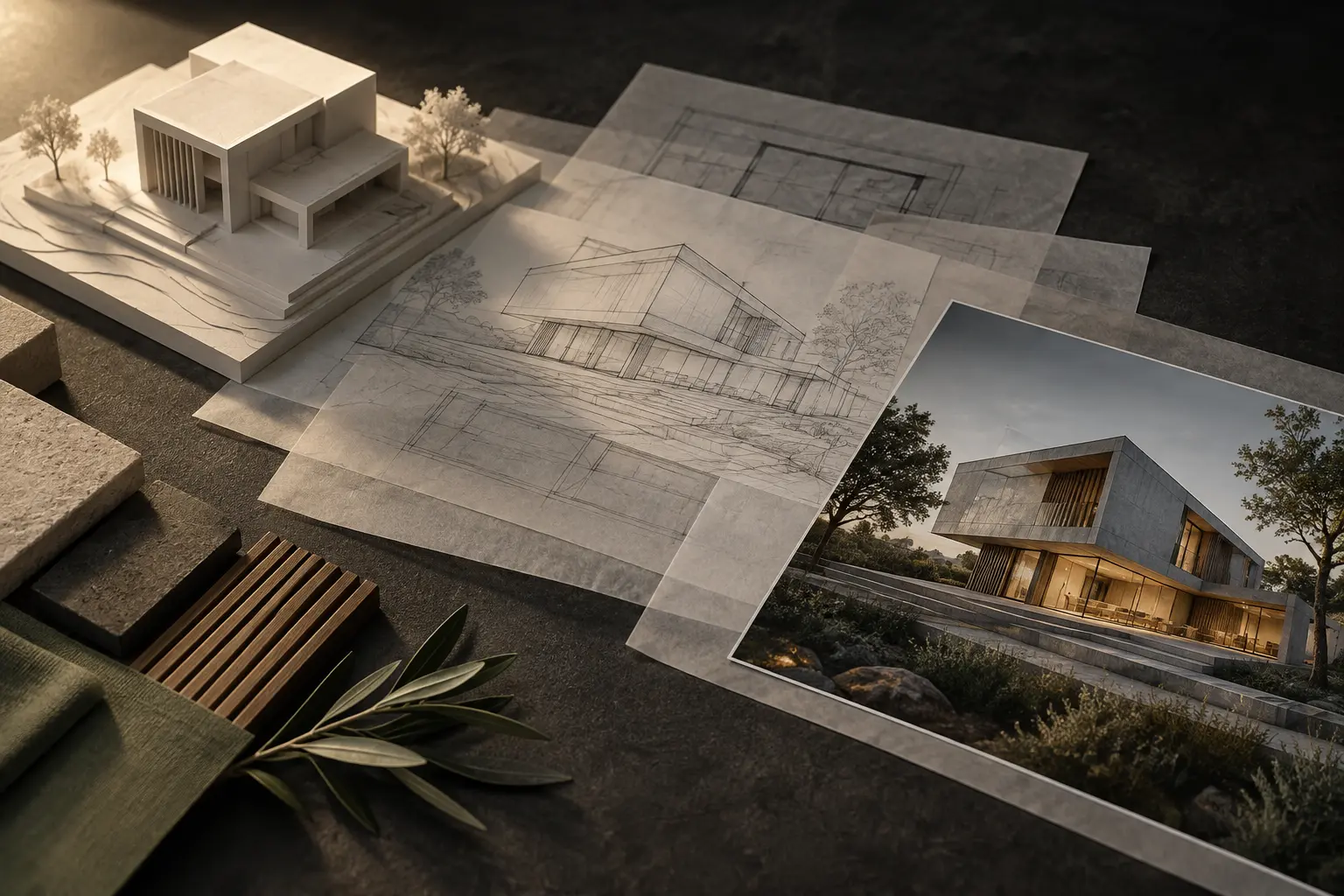
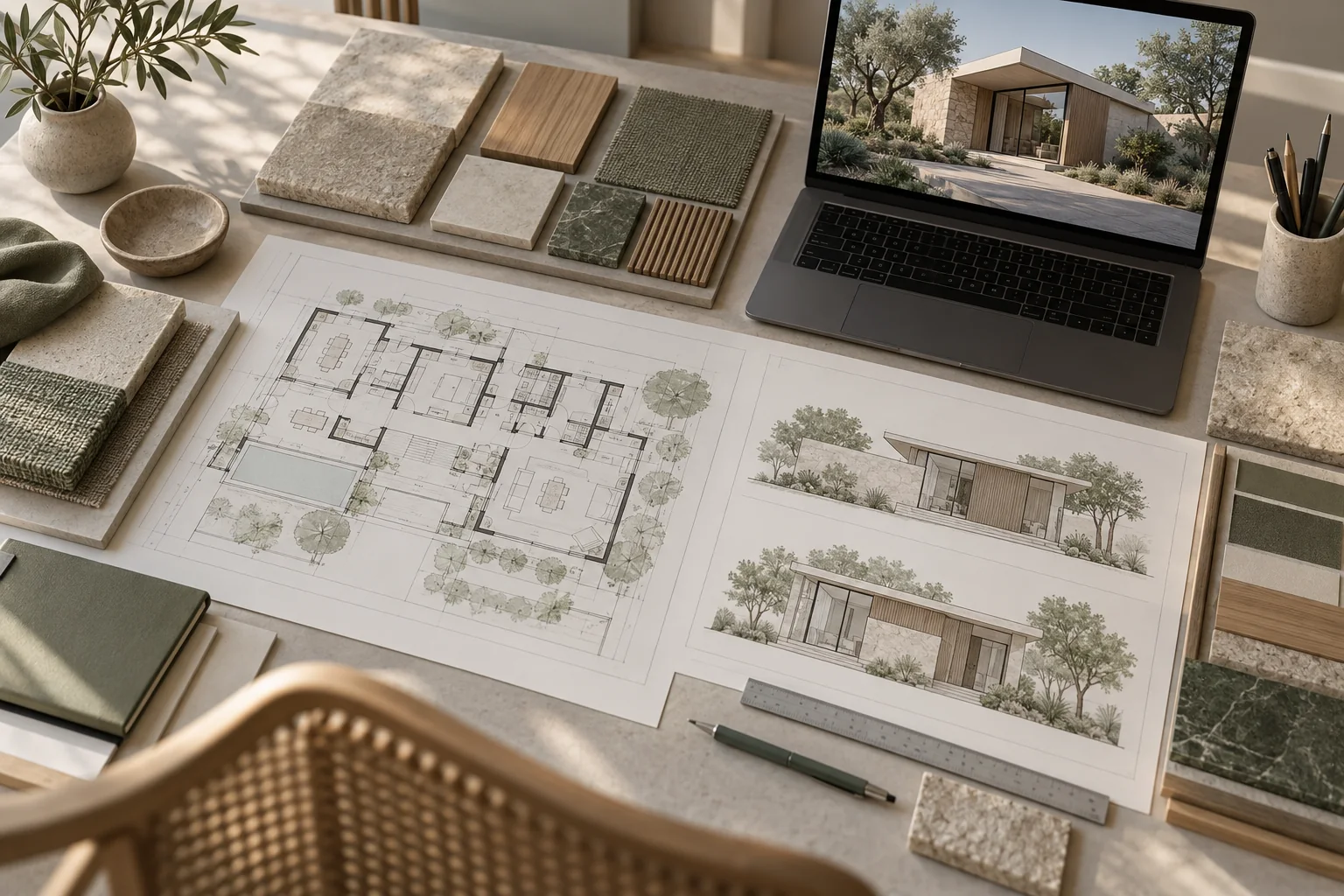
Architects have used technical drawings for centuries. Blueprints, floor plans, sections, and elevations remain essential tools for construction — precise, detailed, and legally necessary. But here's the question no one asked for most of that history: do they sell? The answer, consistently, is no. Traditional architectural drawings were never designed for the buyer's brain. They were designed for the builder's workflow. The result is a significant gap in commercial effectiven
Maria Pineda
May 274 min read


What Is Architectural Visualization — and Why Real Estate Developers Use It to Win More Deals
If you're a real estate developer, architect, or construction professional who has heard 'architectural visualization' mentioned more and more frequently in the last few years, this article is for you. Not a technical deep-dive, not a portfolio showcase — a clear explanation of what this field is, what it includes, what it doesn't, and most importantly: why serious developers now treat it as a core commercial tool rather than an optional aesthetic upgrade. What Architectural
Maria Pineda
May 215 min read


How photorealistic architectural renderings help sell properties before construction begins
Before a property exists, buyers need to see it — and that's exactly what photorealistic architectural renderings deliver. From exterior visuals that generate pre-launch registrations to interior renders that create emotional connection, the right visualization strategy consistently achieves 40–50% pre-sales before groundbreaking. This guide covers which render types work at each stage of the buyer journey, when to commission them, and why the ROI case makes this one of the s
Maria Pineda
May 195 min read
bottom of page