The benefits of VR architectural visualization for developers and buyers
- Maria Pineda
- Jul 24
- 3 min read
Focus keyword | VR architectural visualization |
Meta description | VR walkthroughs let buyers evaluate a pre-construction unit before it exists, cutting the gap between listing and reservation. See how developers use it in sales. |
Suggested slug | /blog/benefits-vr-architectural-visualization-developers-buyers |
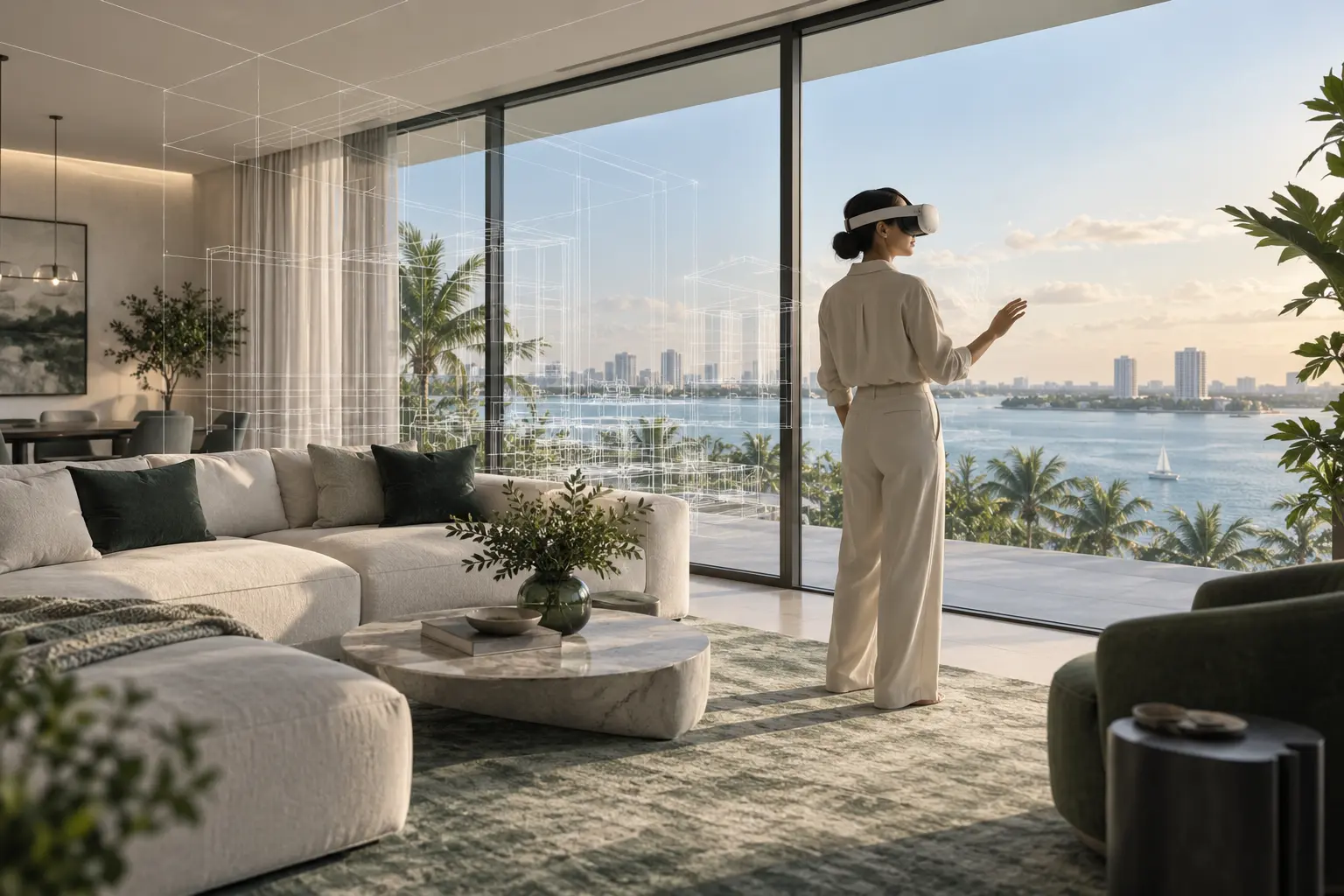
Image / alt text | Header image alt: "VR headset walkthrough of a photorealistic pre-construction interior" |
Internal link opportunity | Link to the VR & 3D Animations service page in the closing paragraph. |
A VR architectural visualization is an interactive walkthrough of a project that doesn't exist yet. Instead of reading a floor plan or scrolling past a static render, a buyer moves through the space directly — checking sightlines, ceiling height, how a room reads at scale, what the view looks like from the balcony. Most walkthroughs are built to run on a tablet, laptop, or in-gallery screen, so a sales team can put a buyer inside a unit without scheduling a headset demo. For a developer marketing a project before groundbreaking, that difference changes what the buyer actually understands about the product, and it changes how much a sales team has to explain versus simply show.
Buyers can evaluate a unit that doesn't exist yet
A floor plan shows dimensions. A render shows one angle. Neither tells a buyer how a space actually feels to stand in. A VR walkthrough closes that gap: someone can walk from the entry to the kitchen, look out from the primary bedroom, and judge proportion, natural light, and flow the way they would in a finished unit. They can also check what a specific line or floor actually delivers — the difference between a partial view and a full one, how close the next tower sits, or whether a balcony faces the pool deck or the parking structure. For a pre-construction purchase, where the buyer is committing capital months or years before move-in, that direct evaluation reduces the guesswork static materials leave behind.
It shortens the gap between listing and reservation
When a unit only exists on paper, buyers accumulate questions: how big does the living room actually feel, does the kitchen face the view, what's the ceiling height by the window, how far is the primary suite from the entry. Each unanswered question adds friction between interest and reservation, and each one usually means another call, another meeting, or another round of renderings sent by email. A walkthrough answers most of them inside the experience itself, which means fewer follow-up conversations and a shorter distance from first look to signed reservation — particularly useful when a sales team is running several units or floor plans in parallel and can't walk every buyer through every option in person.

It standardizes the pitch across every sales conversation
When a project sells through multiple brokers, sales galleries, or markets, consistency matters. A VR walkthrough gives every person presenting the project the same sequence, the same information, and the same first impression — regardless of who's running the conversation or which market they're selling into. That consistency is harder to guarantee with a verbal pitch, a printed brochure, or a stack of renders that gets reordered depending on who's presenting. It also gives a sales gallery a repeatable centerpiece: the same walkthrough works for a one-on-one meeting, a broker open house, or an investor presentation, without a sales rep having to rebuild the pitch from scratch each time.
How the walkthrough gets built
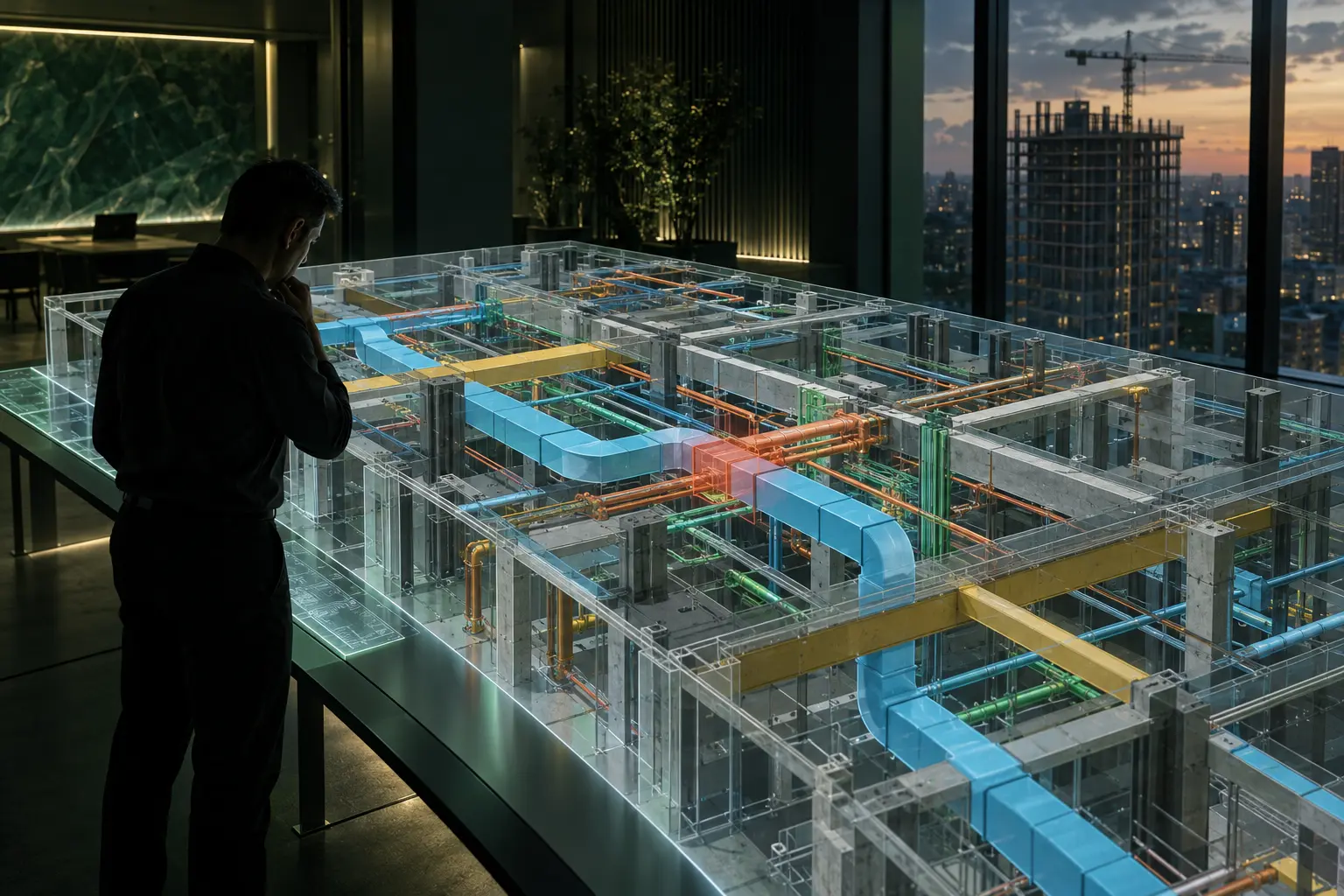
A VR walkthrough is only as reliable as what it's built from. CR builds each one from the project's architectural drawings and, where available, BIM data, so room proportions, window placement, and sightlines match what's actually being permitted and built — not just an approximate concept. Materials, lighting, and finishes are directed to match the rest of a developer's marketing assets, so what a buyer sees in the walkthrough is consistent with the renders, brochure, and sales gallery displays they've already seen. That consistency matters as much as the format itself: a walkthrough that contradicts the brochure creates the same doubt it was built to remove.
For a developer weighing how to present a project before it's built, VR walkthroughs work alongside renders, animations, and sales materials — not in place of them. Each format answers a different question in the buyer's decision: a render sells the concept, an animation sells the sequence, and a walkthrough lets the buyer confirm it for themselves. CR Vizualtech Studio builds VR walkthroughs as part of its VR & 3D Animations services, for developers marketing pre-construction projects across Florida, New York, Texas, and Canada.


Comments