What Is Architectural Visualization — and Why Real Estate Developers Use It to Win More Deals
- Maria Pineda
- May 21
- 5 min read
Updated: 7 days ago
If you're a real estate developer, architect, or construction professional who has heard 'architectural visualization' mentioned more and more frequently in the last few years, this article is for you.
Not a technical deep-dive, not a portfolio showcase — a clear explanation of what this field is, what it includes, what it doesn't, and most importantly: why serious developers now treat it as a core commercial tool rather than an optional aesthetic upgrade.
What Architectural Visualization Actually Is
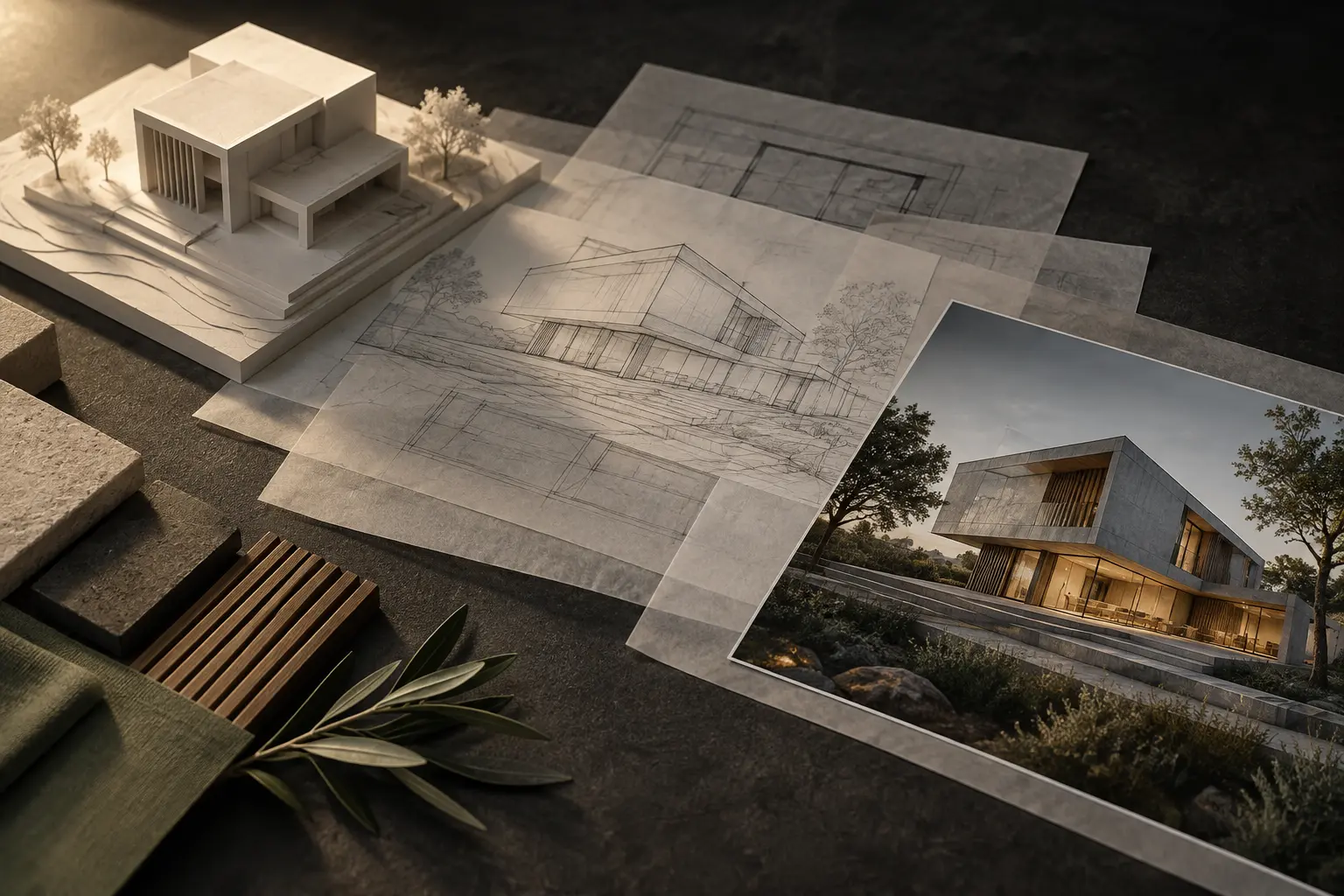
Architectural visualization — also called archviz, CGI rendering, or 3D visualization — is the process of creating photorealistic digital images and animations of buildings or spaces before they are built.
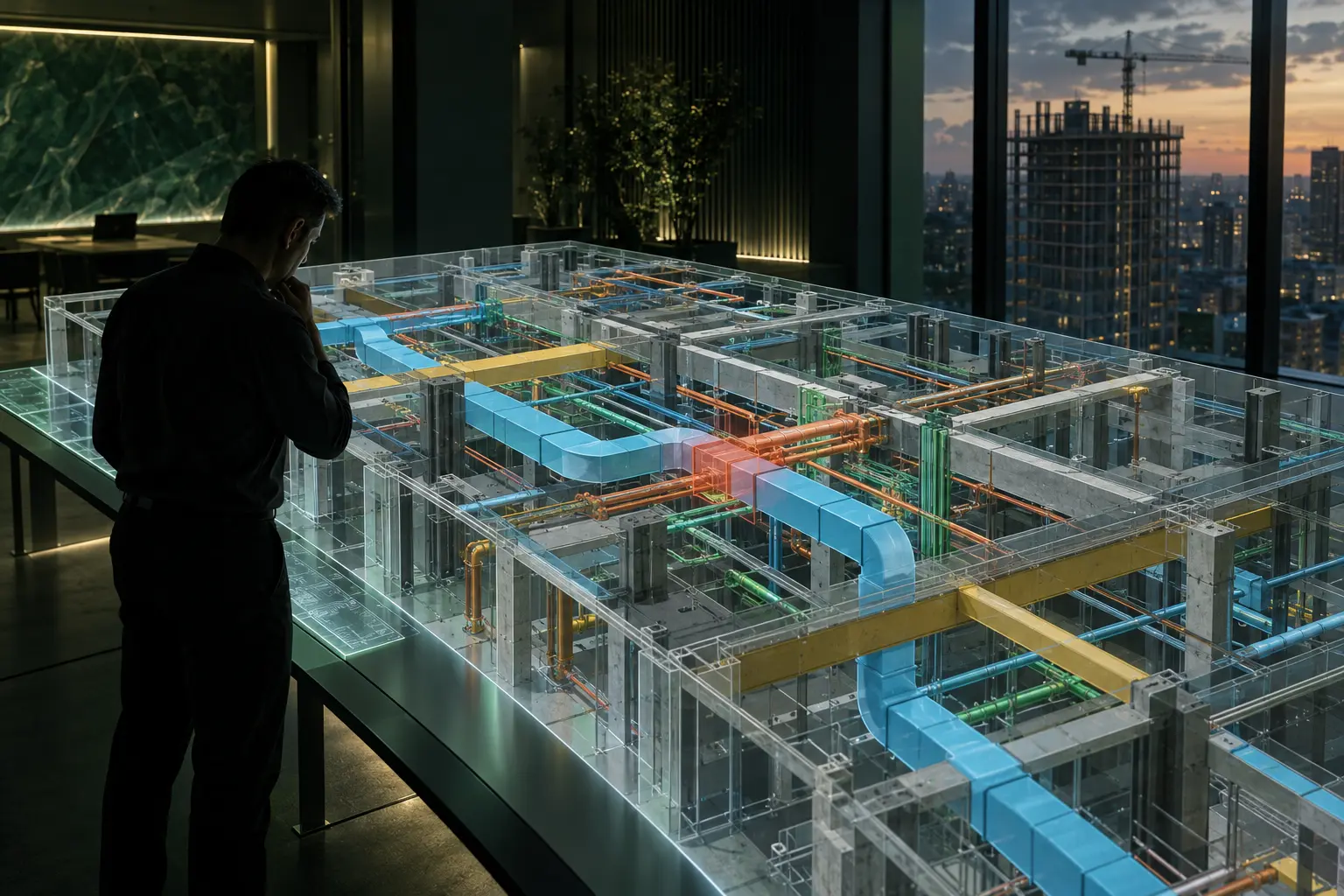
The core technology is computer-generated imagery (CGI): specialized software used to build precise 3D digital models of architectural designs, apply accurate materials and lighting, and render the result as an image or video that is often indistinguishable from a photograph of the finished building.
This is distinct from several things it's sometimes confused with:
It is not the same as 3D modeling alone (modeling is one step in the process; visualization is the complete output).
It is not architectural photography (photography requires a finished building; visualization creates the image before anything is built).
It is not hand-drawn illustration or artistic impression (modern CGI rendering is photorealistic and technically accurate, not interpretive).
It is not the same as VR gaming environments (though VR tours can be built from the same 3D models).
What It Includes: The Full Spectrum of Deliverables
Architectural visualization is not a single product — it's a category of outputs, each serving a different commercial purpose.
Exterior renderings
The most common starting point. A photorealistic image of a building's facade, typically shown in context — street-level, elevated perspective, or aerial. These are used in marketing brochures, advertising campaigns, planning submissions, and social media.
Interior renderings
Photorealistic images of interior spaces — living rooms, lobbies, kitchens, offices, hotel rooms. These communicate material quality, spatial proportion, lighting atmosphere, and lifestyle in a way that floor plans cannot. Interior renders are typically the most powerful conversion tool in a pre-sale context.
Aerial and site renderings
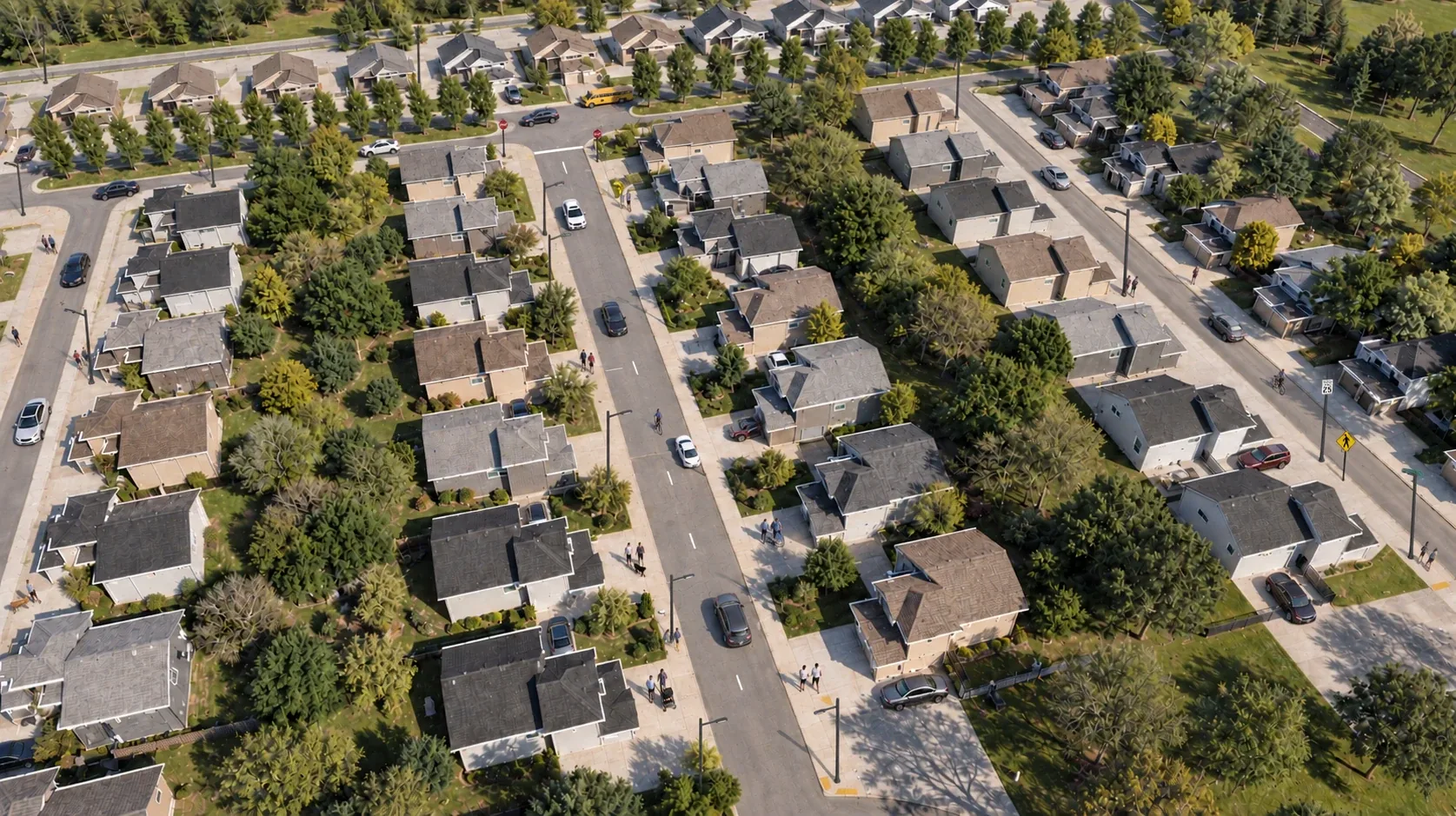
Bird's-eye views showing the building in relation to its surrounding neighborhood, infrastructure, or landscape. Essential for large-scale developments where context and scale need to be communicated to investors, planning authorities, or the public.
3D floor plans
Floor plans rendered in three dimensions — showing room layout, furniture placement, and spatial relationships in a format that any non-architect can immediately understand. Used alongside exterior and interior renders to provide the logical complement to the emotional visuals.
Architectural animation (walkthroughs)
Video sequences that fly through or walk through a building, combining multiple camera perspectives into a cinematic experience. Used in launch events, investor presentations, and social media campaigns where a static image isn't enough to convey scale or sequence.
360° virtual tours
Interactive panoramic views that allow a user to navigate through a space from any angle, on any device, without a VR headset. Particularly effective for remote buyers, international investors, and high-ticket properties where purchase decisions require maximum buyer confidence.
Who Uses Architectural Visualization — and Why
The short answer: anyone who needs to communicate an unbuilt space to a non-technical audience. In practice, that includes:
Real estate developers: To market and pre-sell projects before construction begins, generate investor interest, and support planning approvals. For developers, visualization is fundamentally a revenue tool — it accelerates sales velocity and supports premium pricing.
Architects and design firms: To present design concepts to clients in a format they can immediately understand and respond to, reducing revision cycles and speeding approval. Renders also help firms win competitive bids by demonstrating a vision with a level of clarity that technical drawings cannot achieve.
Real estate agents and marketing teams: To differentiate listings in crowded digital markets, generate higher-quality leads from online campaigns, and create content for social media and print materials.
Interior designers: To present material selections, furniture layouts, and spatial concepts to clients before any purchasing decisions are made — reducing the risk of costly changes during execution.
Investors and capital partners: To evaluate the commercial viability and market positioning of a project through visual evidence, not just financial projections.
Why It's Become a Commercial Standard, Not a Luxury
A decade ago, high-quality architectural visualization was primarily the domain of luxury residential and large-scale commercial projects. Today, it's a standard expectation across the industry — driven by three converging forces:
Buyer expectations: Buyers now conduct their initial research online. Research indicates that 80% of property buyers use online platforms to search for properties, and the majority rely on visual content to form initial impressions and shortlists. A listing without compelling visuals is invisible in that environment.
Technology accessibility: The cost of producing high-quality visualization has fallen significantly as software has become more powerful and accessible. What required six-figure budgets ten years ago is now achievable at a fraction of that cost.
Competitive pressure: When every serious developer in a market is using photorealistic renders, the developer who isn't is immediately at a disadvantage. Visualization is no longer a differentiator — it's table stakes.
The Decision Framework: Do You Need It?
If you're evaluating whether architectural visualization makes sense for your project, the key questions are:
Will you be marketing or presenting this project to buyers, investors, or planning authorities before construction is complete?
Are any of your key decision-makers non-technical — people who cannot interpret architectural drawings accurately?
Is speed of sale or capital raise a commercially meaningful variable for this project?
Are you competing with other developers in the same market who are using visual assets?
If the answer to any of these is yes, the decision has already been made for you by your market.
FAQ: Architectural Visualization Basics
Is architectural visualization the same as CGI?
CGI (Computer-Generated Imagery) is the broader technology. Architectural visualization is a specific application of CGI focused on buildings and spaces. So all architectural visualization uses CGI, but CGI is also used in film, gaming, product design, and many other fields.
How long does it take to produce an architectural visualization?
A standard residential exterior render typically requires 3–5 business days from the point where complete project files have been received. More complex projects — full multi-family campaigns, animations, or virtual tours — may require 2–6 weeks. Timeline depends on project complexity, scope of deliverables, and current studio capacity.
What files do I need to provide to a visualization studio?
Ideally: architectural drawings in PDF or DWG format, a 3D model in common formats (Revit, SketchUp, ArchiCAD, or similar), material and finish specifications, and reference images for context and style. The more complete your brief, the faster and more cost-effective the production process.
Is architectural visualization only for large projects?
No. While large multi-family and commercial developments have historically been the primary users, smaller residential projects, boutique hospitality properties, and custom homes increasingly use visualization for both sales and design communication purposes.


Comments